
The serve
Serve underhand with the paddle below your waist, standing behind the baseline. The ball must land diagonally in the opposite service box, beyond the kitchen line.
A paddle sport played on a badminton-sized court with a low net, a perforated plastic ball, and one rule everyone talks about: stay out of the kitchen.
A pickleball court is 44 feet long and 20 feet wide, the same footprint as a doubles badminton court. The net hangs 36 inches high at the sidelines and 34 inches at the center. Each side has two service boxes and a seven-foot non-volley zone in front of the net that everyone calls the kitchen.
Serve underhand with the paddle below your waist, standing behind the baseline. The ball must land diagonally in the opposite service box, beyond the kitchen line.
The receiving team must let the serve bounce, and the serving team must let the return bounce. After those two bounces, anyone can volley out of the air.
The seven-foot zone on each side of the net is the non-volley zone. You cannot hit a ball out of the air while standing in it, or step into it on your follow-through.
Games go to 11, win by 2. Only the serving team can score. In doubles the score is called as three numbers: your score, their score, and which server you are.
A fault ends the rally: hitting the ball out, into the net, volleying in the kitchen, letting it bounce twice, or serving into the kitchen.
Both partners serve before the side-out, except on the very first serve of the game, when only one player serves. The first server always starts on the right side.
Open play sessions and ladders on Rally are grouped by rating so every game is competitive. Not sure where you land? Start at 2.5 and let the coaches adjust it after your first clinic.
Learning the rules, scoring, and the basic strokes. Rallies are short and fun.
Can sustain short rallies and knows the court positions. Working on consistent serves.
Comfortable with dinks and drives, starting to move to the kitchen line as a team.
Reliable third-shot drop, controlled dinking rallies, and smart shot selection.
Strong at the net, uses spin and pace deliberately, and manages tempo through a rally.
Tournament-level consistency, attacking speed-ups, and few unforced errors.
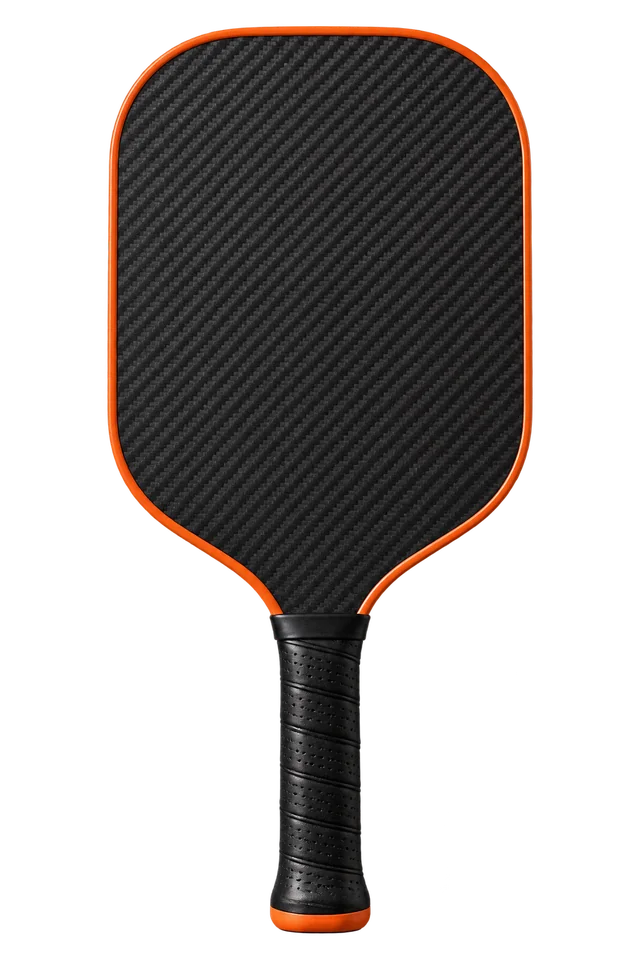
Most paddles weigh 7.3 to 8.3 oz. Lighter is quicker at the net, heavier adds power. Carbon faces add spin, fiberglass adds pop, and a 16 mm core is the control standard.
Browse rental paddles →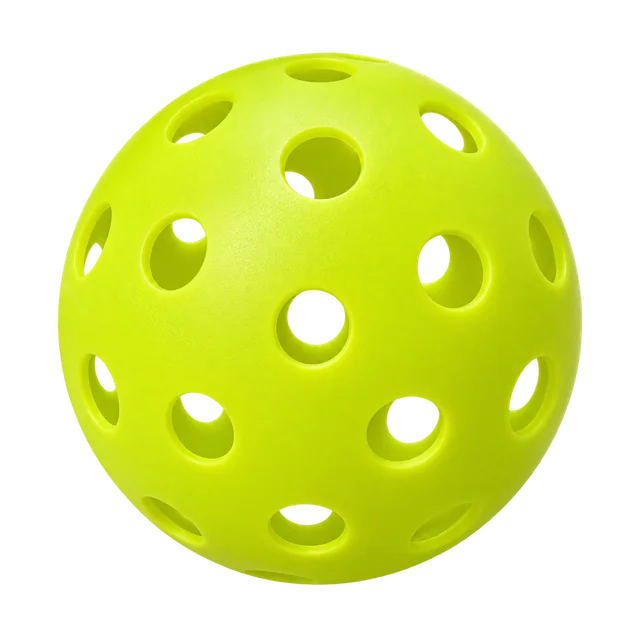
Outdoor balls are harder with 40 small holes for wind; indoor balls are softer with 26 larger holes. Every Rally rental includes the right ball for the venue.
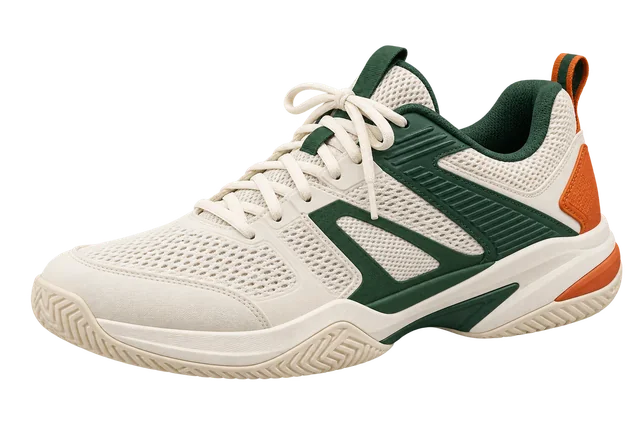
Court shoes with lateral support beat running shoes. Non-marking soles are required at indoor venues like Pasig Paddle Club.
Book a court, add a rental paddle, and join a beginner session. Coaches take it from there.